
Top 10 Types of NFC Cards – Everything You Need to Know
Near Field Communication (NFC) technology is transforming how people share information, connect, and grow their businesses. As digital networking becomes essential, understanding the types of NFC cards is crucial. These cards allow instant contact sharing, smart automation, secure access, and seamless marketing interactions. Whether you are a business owner, professional, or tech enthusiast, knowing the best NFC card types helps you choose the right solution for your needs.
This guide covers the top 10 types of NFC cards, their features, uses, benefits, and buying tips—perfect for modern users looking to upgrade their digital networking tools.
What Are NFC Cards and How Do They Work?
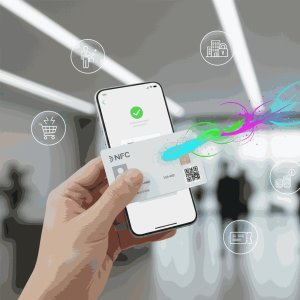
NFC cards are contactless smart cards that use Near Field Communication (NFC) technology to transfer information instantly and securely. These cards interact seamlessly with NFC-enabled devices, such as smartphones and tablets, through a simple tap or close proximity. In just seconds, users can access digital content, online profiles, websites, menus, or even trigger automated actions like sending a message or opening an app.
Here’s how it works:
- Tap Your Phone on the NFC Card – Simply place your NFC-enabled device near the card.
- Data Transfer – The NFC chip inside the card sends the stored information to your device wirelessly.
- Instant Action – The phone automatically opens the assigned digital content or executes the pre-set action.
This process is fast, seamless, and highly professional, eliminating the need for manual data entry, QR code scanning, or paper-based business cards.
NFC cards are becoming increasingly essential in modern networking because they combine speed, convenience, and innovative branding. They not only make sharing contact information effortless but also leave a tech-savvy and memorable impression on clients, colleagues, and business partners. Beyond personal networking, NFC cards are also widely
used in marketing campaigns, event management, and customer engagement strategies, making them a versatile tool in today’s digital-first world.

Top 10 Types of NFC Cards
Near Field Communication (NFC) technology has revolutionized how we exchange information, make payments, and secure access. NFC cards are versatile, bridging physical and digital interactions seamlessly. Here’s a detailed look at the top 10 types of NFC cards, their features, and some lesser-known uses.
1. Smart NFC Business Cards for Networking:
NFC business cards are the next-generation alternative to traditional paper business cards. They allow users to instantly share contact information with a simple tap, eliminating the need for manual data entry. Beyond convenience, these cards are eco-friendly, reducing paper waste.
Deeper Insight: Many NFC business cards now integrate analytics, allowing users to track how many times their card was tapped, which regions engaged most, and which links were visited. This data transforms networking into a measurable activity. Freelancers, consultants, and sales professionals increasingly use NFC business cards to embed portfolios, introductory videos, or even interactive PDFs.
Uncommon Use: Some advanced NFC business cards include authentication features, allowing recipients to verify the card’s authenticity, preventing digital scams in high-stakes business environments.

2. NFC Payment Cards Fast & Secure Payments:
NFC payment cards have revolutionized the way we handle money, making contactless payments quick, convenient, and increasingly mainstream. From retail stores to public transport and online platforms, these cards allow transactions to be completed with just a simple tap on a POS device. Advanced security features such as tokenization, encryption, and biometric verification ensure that sensitive financial data remains protected, giving users peace of mind while making everyday purchases.
Deeper Insight: The versatility of NFC payment cards goes far beyond traditional shopping. Many modern cards support micro-transactions, enabling seamless payments for small, everyday services like vending machines, parking meters, tolls, or even electric vehicle charging stations. This flexibility transforms the card into a multi-functional financial tool, replacing the need for coins, cash, or separate payment apps.
Innovative Uses: The evolution of fintech has introduced exciting new capabilities to NFC payment cards. Some cards now integrate loyalty programs directly into the payment experience, allowing users to earn rewards, redeem points, or access exclusive offers—all with a single tap. This combination of payment and perks creates a smarter, more efficient way to manage finances while enjoying additional benefits effortlessly.
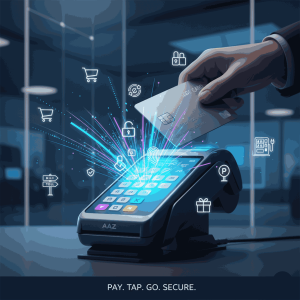
3. NFC Access Cards Secure & Smart Entry:
NFC access control cards enhance security while simplifying authorization management. They can store multiple access profiles and seamlessly integrate with cloud-based security systems, making them ideal for modern workplaces.
Deeper Insight: In smart offices, a single NFC card can control access to multiple locations, elevators, meeting rooms, and parking areas, streamlining daily operations.
Innovative Uses: Hotels and luxury apartments are using NFC cards to personalize room experiences—automatically adjusting lighting, temperature, and entertainment settings when the card is tapped.

4. NFC Loyalty Cards: Rewards Made Easy:
NFC loyalty cards are transforming the way businesses connect with their customers. Widely adopted by retailers, restaurants, and cafés, these cards offer a seamless way to manage rewards programs. With a simple tap, users can collect points, redeem special offers, access instant discounts, or even track their purchase history, making loyalty programs more interactive and convenient than ever.
Deeper Insight: Modern NFC loyalty cards often integrate AI-driven insights to enhance customer engagement. For example, if a customer frequently purchases coffee, the card can send personalized notifications about promotions, limited-time offers, or new flavors. This creates a highly tailored shopping experience that encourages repeat visits and strengthens customer loyalty.
Innovative Uses: Beyond traditional rewards, some businesses are incorporating gamification into NFC loyalty programs. Customers can unlock achievements, participate in interactive campaigns, or complete challenges simply by tapping their card at participating outlets. This adds an element of fun and engagement, turning everyday purchases into an interactive experience that keeps customers coming back.
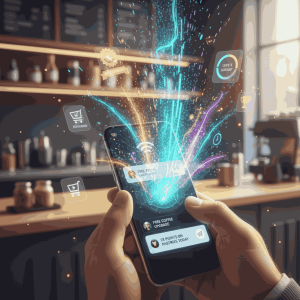
5. NFC Marketing Cards: Engage & Convert:
NFC marketing cards are increasingly used to bridge offline and online campaigns. By simply tapping a card, users can access landing pages, videos, or promotional materials.
Deeper Insight: NFC marketing cards often come with dynamic URLs, meaning the content can be updated in real-time without reissuing the card. This allows marketers to adapt campaigns instantly.
Uncommon Use: These cards are used in guerilla marketing, such as placing NFC-enabled cards in public spaces to trigger AR experiences, contests, or exclusive product previews, creating highly engaging campaigns.
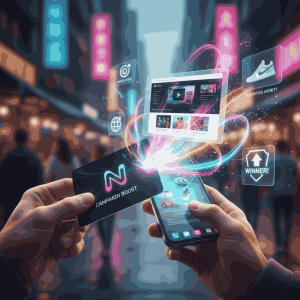
6. NFC Tag Cards: Automate Tasks Easily:
NFC tag cards are small, low-cost, and versatile, perfect for basic automation tasks. They can store URLs, text, or small scripts to trigger specific actions.
Deeper Insight: Individuals use NFC tag cards for personal productivity—placing them around a home or office to automate routines. For example, a tag on a desk could launch a to-do app, play music, or send a daily reminder.
Uncommon Use: NFC tags are also used in logistics and inventory management. A warehouse worker can tap an NFC tag on a product to instantly log it into inventory systems or track shipment status.

7. Metal NFC Cards: Premium & Durable:
Metal NFC cards provide a premium aesthetic and unmatched durability. They are often chosen for VIP events, executive networking, and corporate gifts.
Deeper Insight: The metal construction not only adds durability but also allows unique engraving options, combining artistry with technology. High-end professionals use these cards to make a lasting impression, integrating advanced chips capable of storing multimedia content.
Uncommon Use: Luxury brands sometimes embed these metal cards into packaging or product launches as collectible items that unlock exclusive content, loyalty perks, or early access to limited-edition products.
9. PVC NFC Cards: Affordable & Versatile:
PVC NFC cards are the most widely used, offering affordability and flexibility. They are lightweight, durable, and support all standard NFC chip types.
Deeper Insight: PVC cards are ideal for temporary events, student IDs, or corporate identification, where mass issuance is necessary without a high cost. They can also integrate QR codes alongside NFC for dual functionality.
Uncommon Use: Some organizations use PVC NFC cards for hybrid roles—combining employee access, cafeteria payments, and loyalty points in a single card, enhancing convenience and efficiency.
10. Custom NFC Cards: Personalized & Smart:
Custom NFC cards are fully tailored to a brand or individual’s unique needs. Businesses can design both the physical appearance and the embedded digital actions.
Deeper Insight: These cards can combine multiple NFC applications—marketing, loyalty, access, and payment—into one versatile card. Advanced analytics can monitor engagement, helping businesses refine strategies.
Uncommon Use: Some companies use custom NFC cards for immersive experiences, like unlocking AR or VR content, personalized interactive stories, or hybrid physical-digital collectibles at events.

How to Choose the Best NFC Card for Your Needs
Choosing the right NFC card is not just about picking a card with a chip—it’s about matching the card to your specific goals and usage. NFC cards come in a variety of types, materials, and chip configurations, each designed for different purposes. To make the best choice, you should carefully consider the following factors:
-
Purpose of Use
The first step in choosing an NFC card is understanding why you need it. The purpose will guide the type of card that is most suitable.
- Networking: If your goal is to make professional connections or share your contact information quickly, an NFC business card is ideal. These cards allow you to instantly share your phone number, email, website, or social media profiles with a simple tap, eliminating the need for traditional paper business cards. They are especially useful at networking events, conferences, or meetings.
- Payment: For financial transactions, an NFC payment card is required. These cards securely store payment credentials and enable tap-to-pay functionality on compatible devices. They are widely used in retail stores, public transportation, and other payment scenarios where convenience is key.
- Marketing: Businesses looking to promote products or services can benefit from NFC marketing cards. These cards can store interactive content such as discount coupons, promotional videos, or links to online campaigns, providing an engaging way to connect with potential customers.
-
NFC Chip Type
The type of NFC chip inside the card determines its memory capacity, data storage, and compatibility. Choosing the right chip ensures your card functions properly for your intended use:
- NTAG213: This is the most basic chip, suitable for simple information sharing like URLs or contact details.
- NTAG215: Offers more memory than NTAG213, making it ideal for digital business cards that store multiple links, images, or short messages.
- NTAG216: Provides the maximum memory available in standard NFC cards, perfect for apps, larger files, or more complex data storage.
-
Material Choice
The material of the card affects both its durability and the impression it creates:
- PVC: A lightweight and budget-friendly option, PVC cards are suitable for everyday use. They are flexible and can be printed with vibrant colors for branding.
- Metal: For a premium feel, metal NFC cards stand out. They are heavier, more durable, and make a strong impression during business interactions. Metal cards are often used by executives, luxury brands, and high-profile professionals.
-
Design & Branding
Your card is an extension of your brand, so design matters. A fully customizable card allows you to incorporate your logo, brand colors, patterns, and even creative graphics. A visually appealing card not only grabs attention but also reinforces your professional image and credibility.
-
Device Compatibility
Finally, not all NFC cards are compatible with every smartphone. Before buying, ensure the card works with all NFC-enabled devices, including both Android and iOS phones. Compatibility ensures that your card can be read by anyone you share it with, making it truly effective.
Why NFCYES Is the Best Place to Buy NFC Cards
NFCYES provides high-quality NFC cards suitable for professionals, businesses, and marketers. With advanced NFC chips, durable materials, and fully customizable designs, NFCYES ensures:
- Reliable NFC business card solutions
- Latest NFC technology
- Premium and custom designs
- Easy activation and setup
- Affordable pricing and fast delivery
Whether you need NFC cards for networking, marketing, or security, NFCYES is your trusted partner.
Conclusion: Which Types of NFC Cards Are Best in 2025?
In 2025, the best types of NFC cards for professionals and businesses are:
- NFC Business Cards – For networking and lead generation
Smart NFC Cards – For automation and advanced functionality
NFC Marketing Cards – For promoting products and campaigns
By understanding the types of NFC cards, their features, and uses, you can choose the ideal card to boost your networking, branding, and marketing efforts. NFCYES offers the perfect combination of quality, customization, and innovation to meet all your NFC needs.